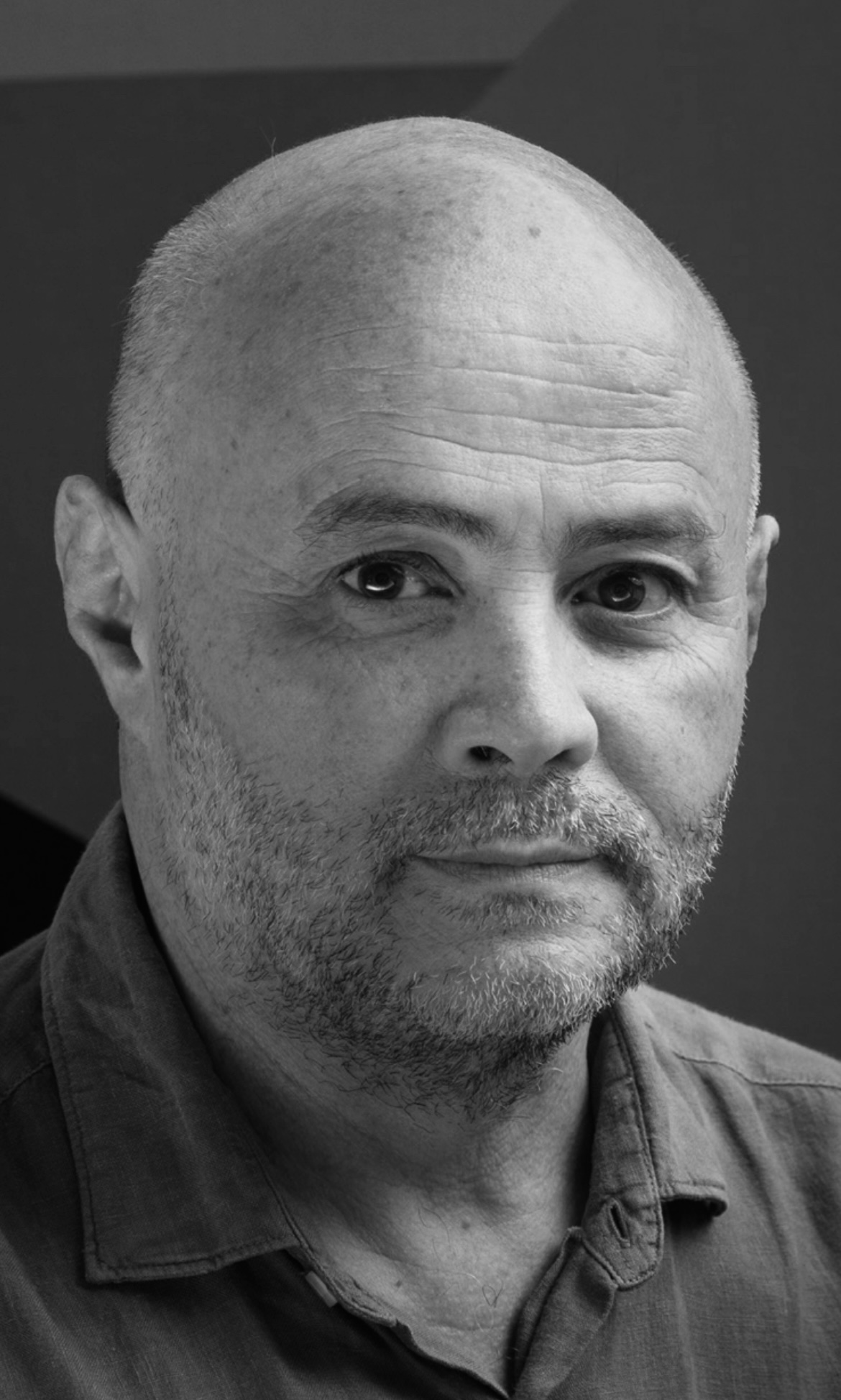
Fatime Zahra Morjani
Fatime Zahra Morjani (b. 1971) is a Moroccan visual artist based in Rabat. Trained as an architect, she lived and worked between Morocco, Ethiopia and Poland before returning to Morocco, an experience that profoundly shaped her relationship with landscape, territory and the narratives embedded within them.
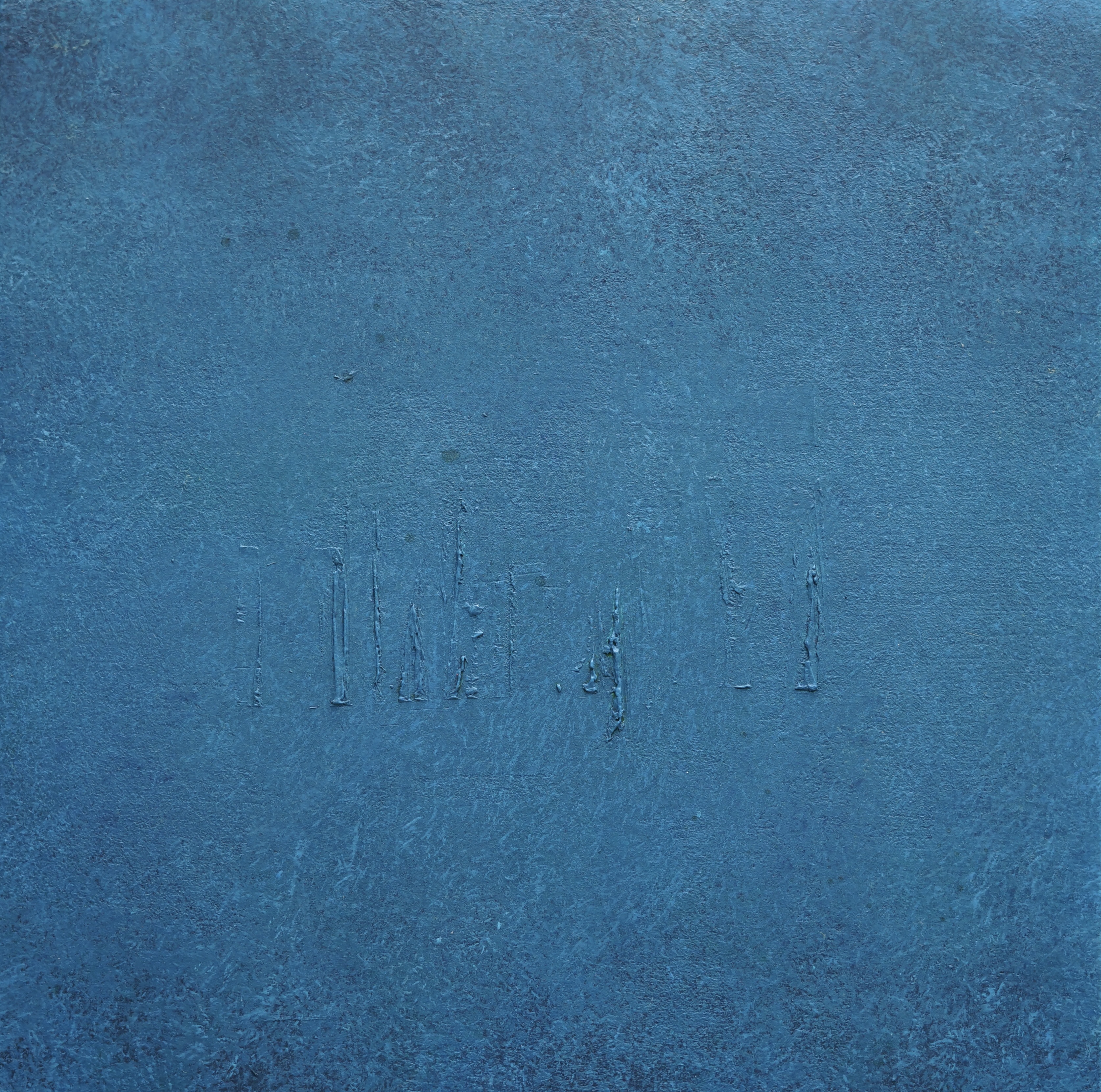
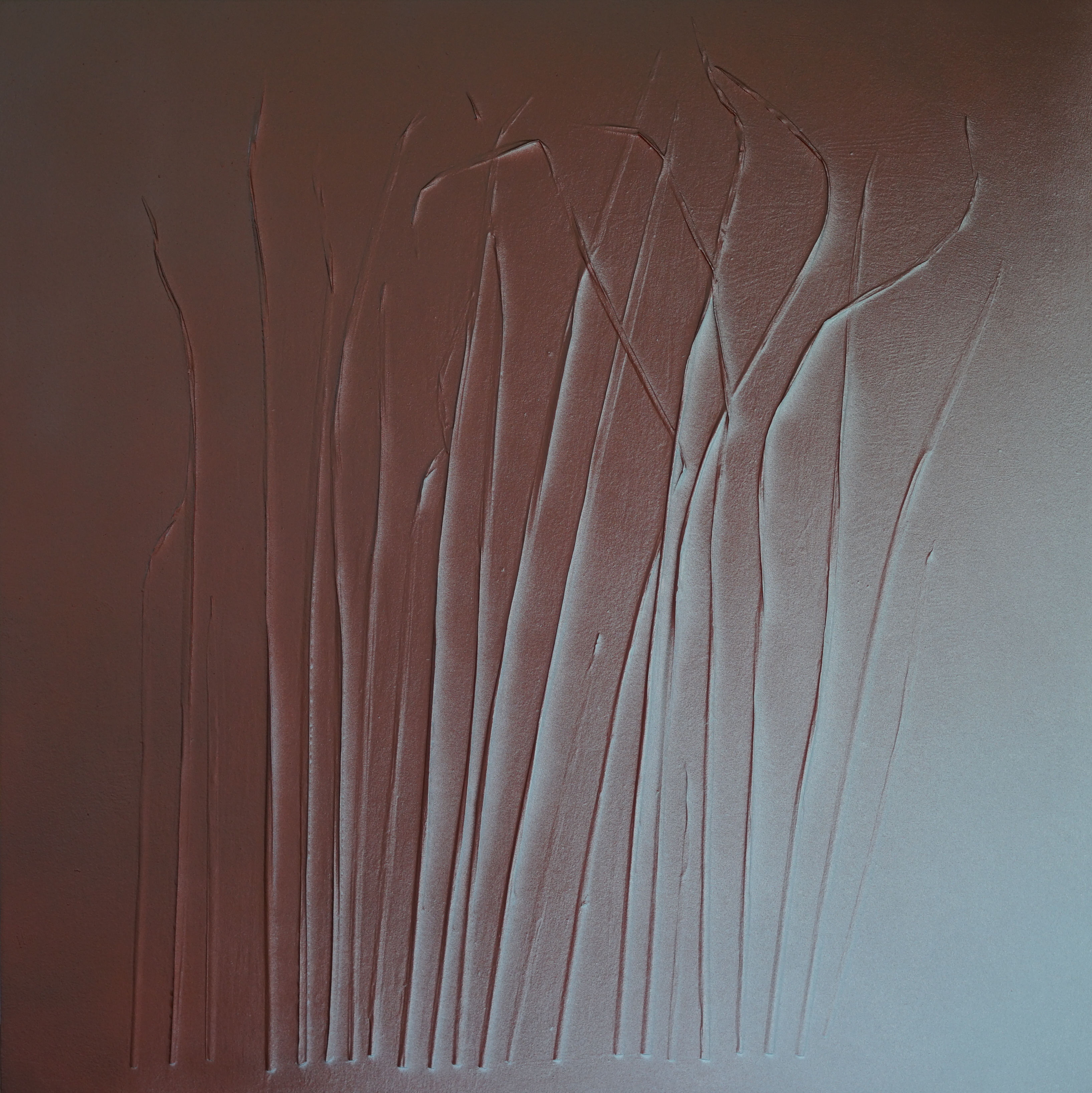
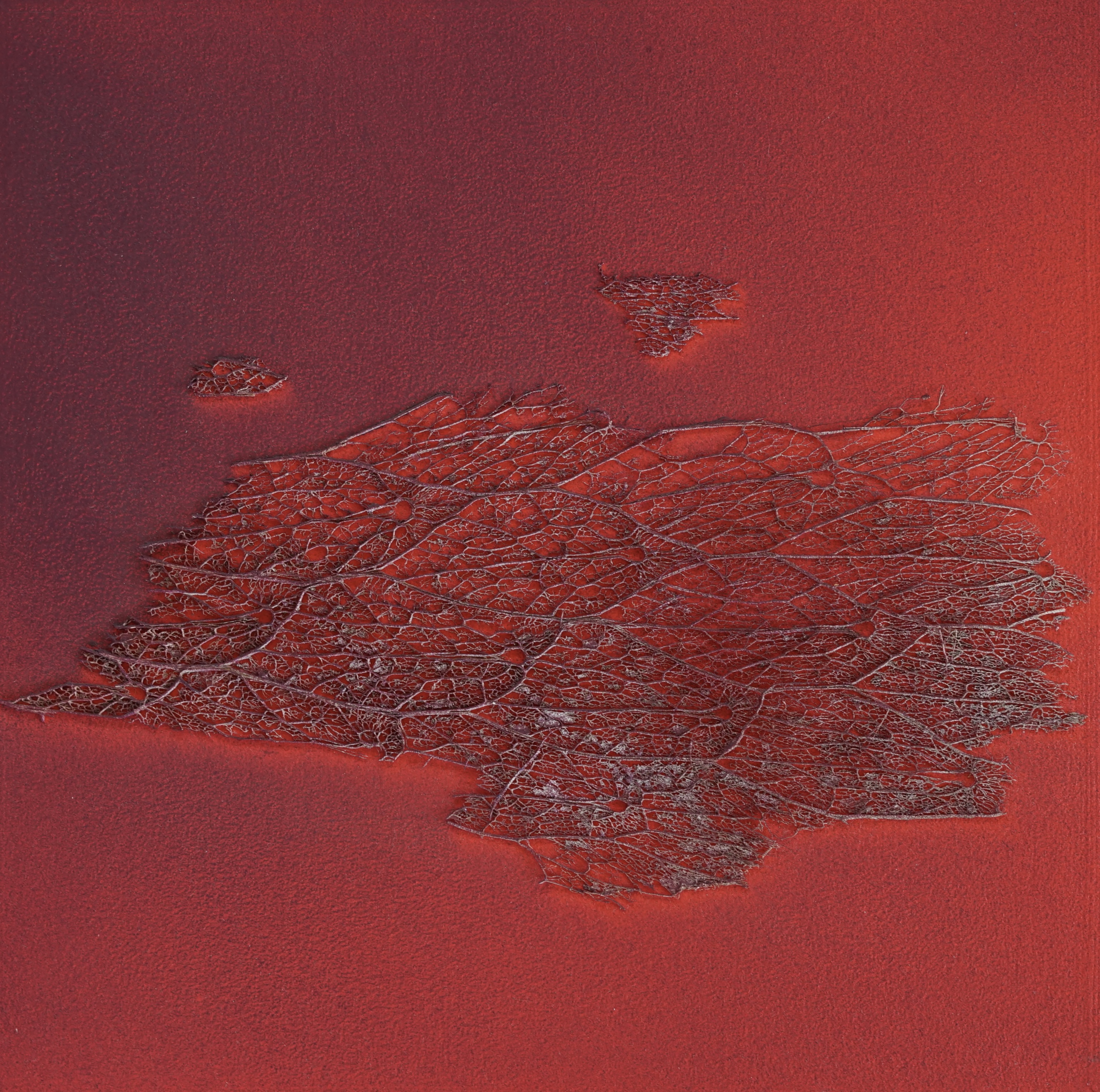
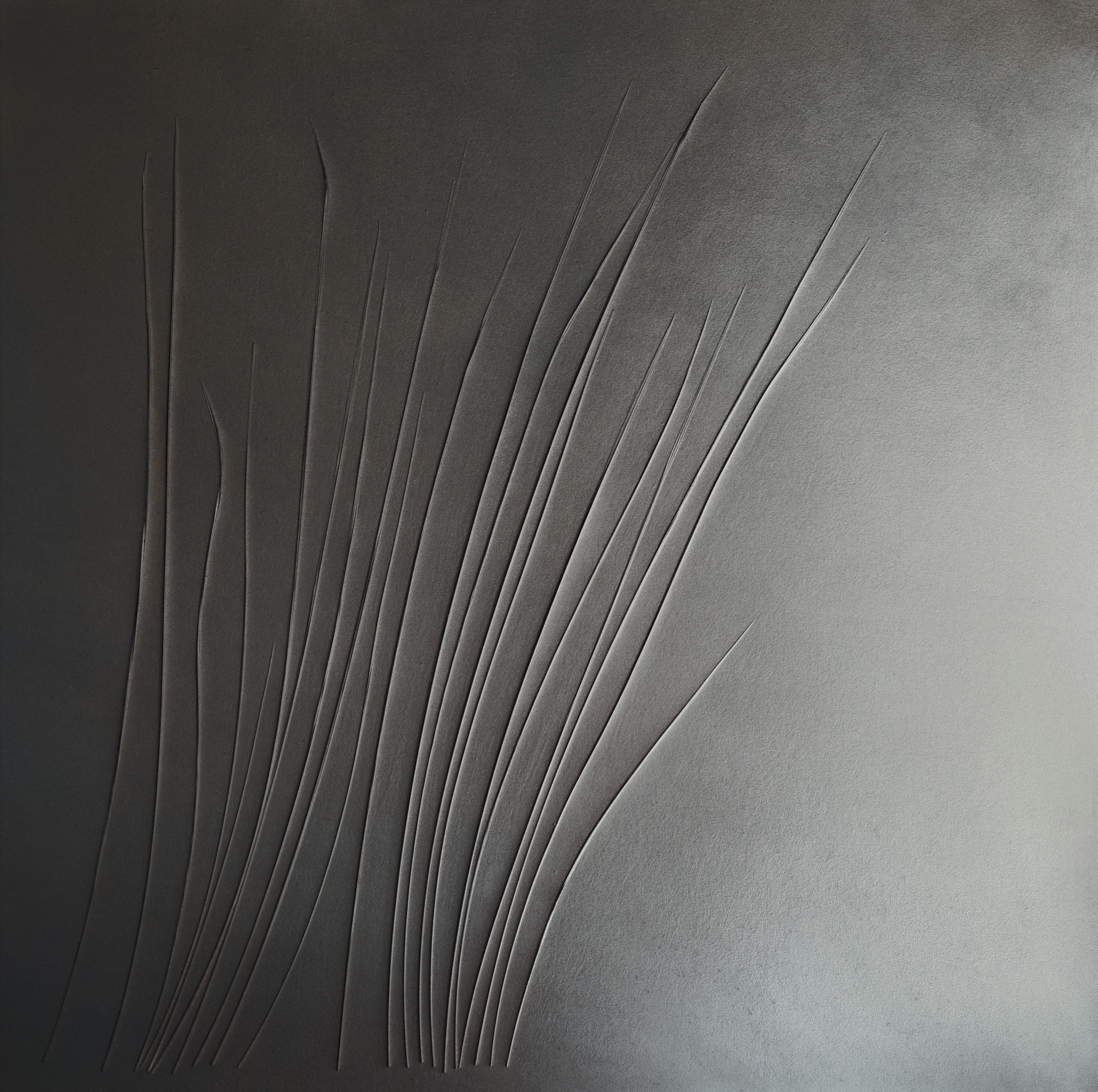
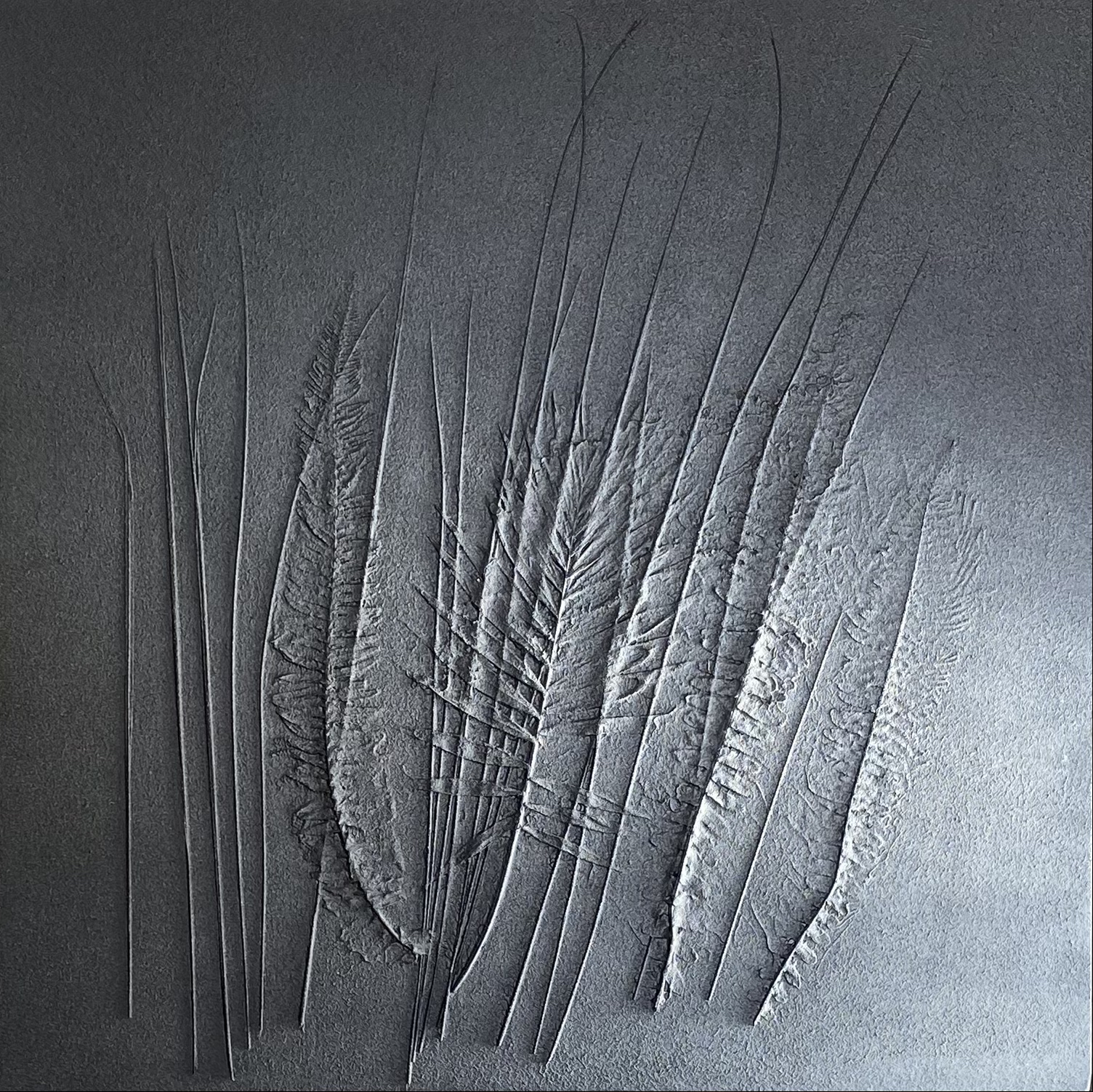
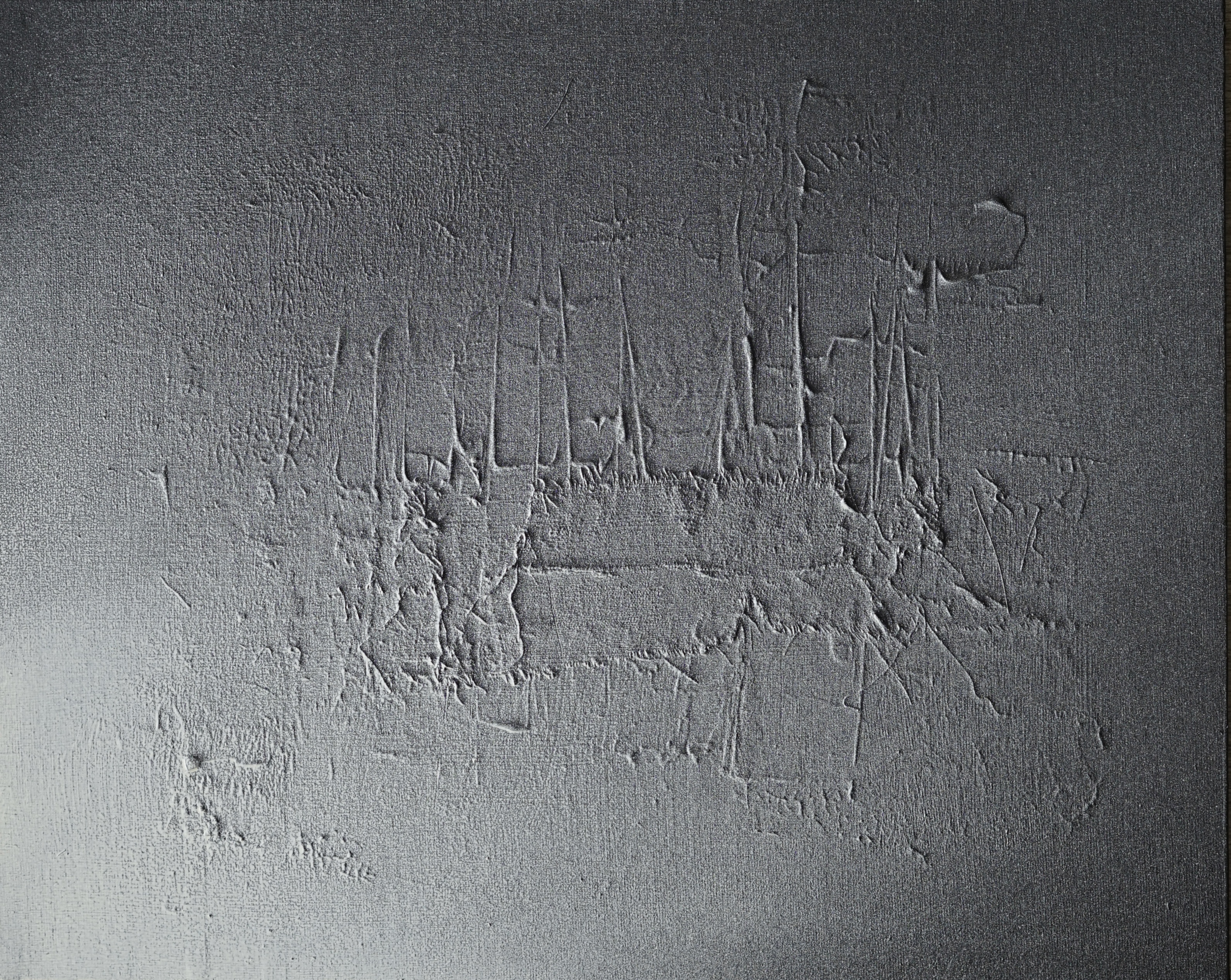
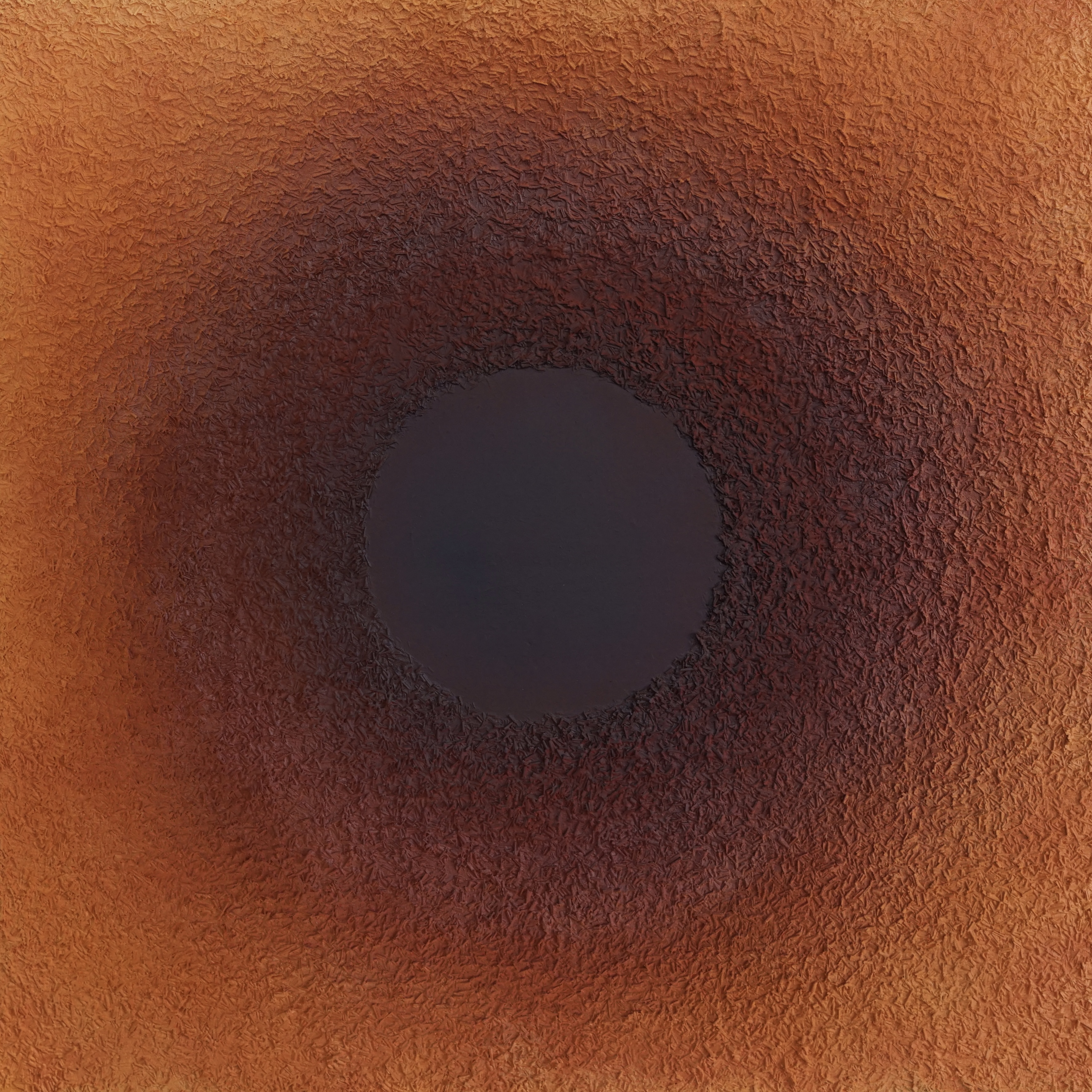
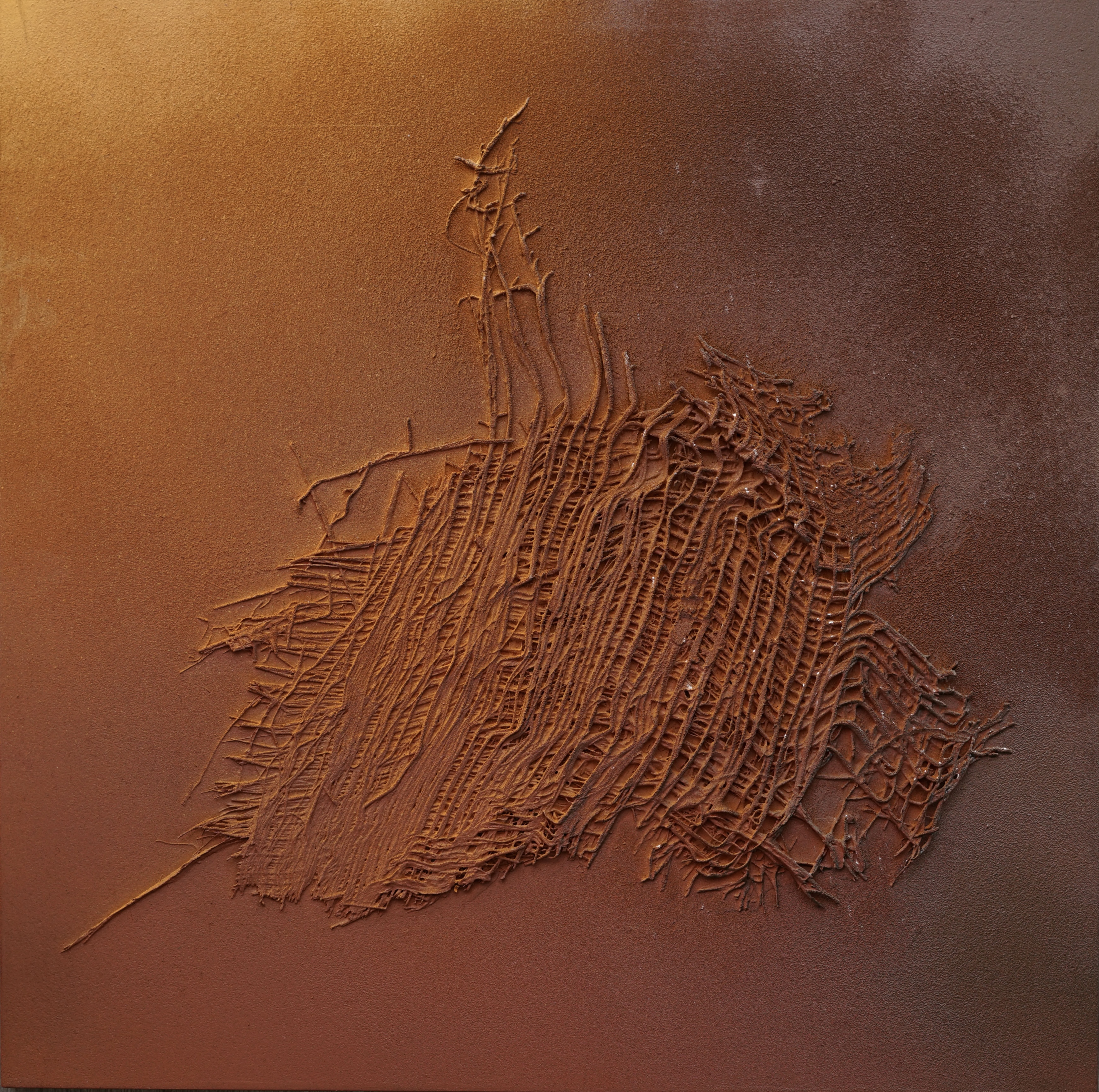
Working across painting, drawing, installation and experimental photography, Morjani explores the relationship between land, living matter and memory. Central to her practice is the concept of “Landscape Taxidermy”, through which she examines the forms of domination imposed upon landscapes and the natural world, and considers plants as witnesses and carriers of history. Organic materials and natural processes frequently enter her work, creating a dialogue between transformation, preservation and disappearance.
Morjani began exhibiting internationally in Warsaw in 2010 and has since presented her work across Morocco, Europe and Africa. Recent highlights include exhibitions and residencies in Brussels, Madrid and France, as well as participation in the Kinshasa Biennale, 1-54 Marrakech and Paris Internationale. In Morocco, her work has been exhibited at institutions and venues including the Mohammed VI Museum of Modern and Contemporary Art, the National Library of the Kingdom of Morocco and Fondation TGCC.
Her work forms part of the permanent collection of the Mohammed VI Museum of Modern and Contemporary Art in Rabat, as well as the collections of Fondation Blachère, Fondation TGCC, Fondation Banque Populaire, Amari de Pauw Collection and Dar El Kitab, alongside private collections.

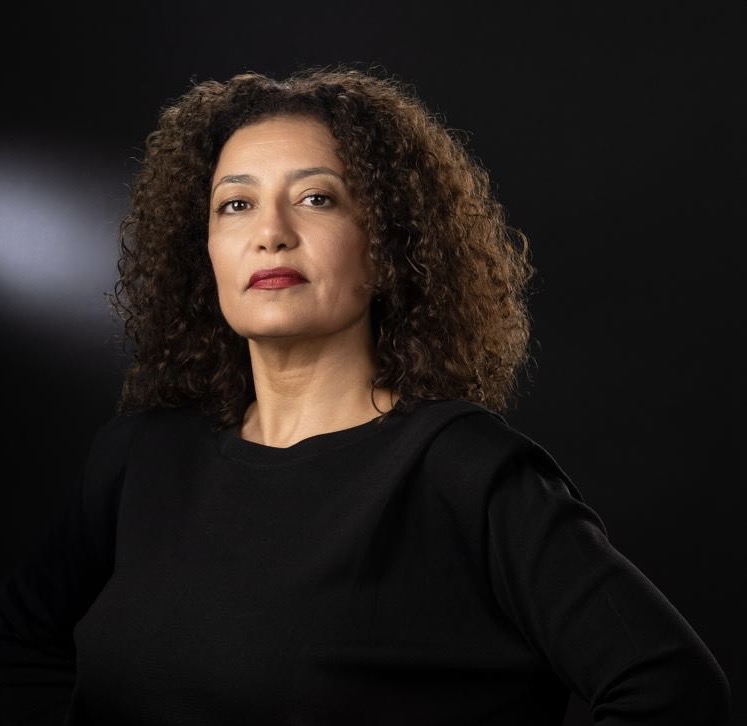
Fatime Zahra Morjani (b. 1971) is a Moroccan visual artist based in Rabat. Trained as an architect, she lived and worked between Morocco, Ethiopia and Poland before returning to Morocco, an experience that profoundly shaped her relationship with landscape, territory and the narratives embedded within them.
Working across painting, drawing, installation and experimental photography, Morjani explores the relationship between land, living matter and memory. Central to her practice is the concept of “Landscape Taxidermy”, through which she examines the forms of domination imposed upon landscapes and the natural world, and considers plants as witnesses and carriers of history. Organic materials and natural processes frequently enter her work, creating a dialogue between transformation, preservation and disappearance.
Morjani began exhibiting internationally in Warsaw in 2010 and has since presented her work across Morocco, Europe and Africa. Recent highlights include exhibitions and residencies in Brussels, Madrid and France, as well as participation in the Kinshasa Biennale, 1-54 Marrakech and Paris Internationale. In Morocco, her work has been exhibited at institutions and venues including the Mohammed VI Museum of Modern and Contemporary Art, the National Library of the Kingdom of Morocco and Fondation TGCC.
Her work forms part of the permanent collection of the Mohammed VI Museum of Modern and Contemporary Art in Rabat, as well as the collections of Fondation Blachère, Fondation TGCC, Fondation Banque Populaire, Amari de Pauw Collection and Dar El Kitab, alongside private collections.